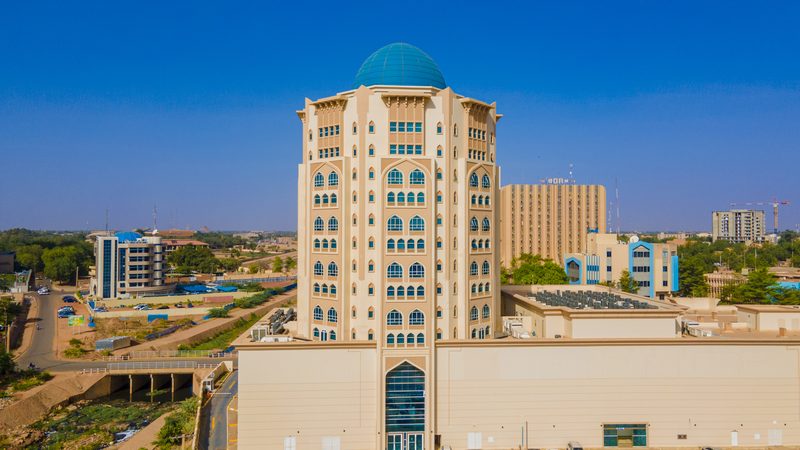

Things to Do in Niger in July
July weather, activities, events & insider tips
Low Season · Budget Friendly
July Weather in Niger
Long-run averages for July in Niamey
93°F (34°C)
High Temp
78°F (25°C)
Low Temp
3.5 inches (89 mm)
Rainfall
68%
Humidity
11
Sunny-Day UV
⚠ Flash flooding in Niamey and across southern Niger is a serious and recurring July hazard. The 89 mm (3.5 inches) of average rainfall arrives in intense bursts that overwhelm drainage infrastructure within minutes. Low-lying roads, underpasses, and river-adjacent neighborhoods flood regularly. Floodwater carries sewage and debris. Niger's civil protection directorate has recorded fatalities and tens of thousands of displaced people in recent July-August flood events. Stay off roads during active storms. Never attempt to cross flowing water on foot or by vehicle.
⚠ Mosquito-borne disease risk peaks in July. Standing water from the rains creates ideal breeding conditions for Anopheles mosquitoes that carry malaria, which is endemic and a leading cause of death in Niger. Antimalarial prophylaxis, DEET-based repellent, and sleeping under an insecticide-treated net are non-negotiable. They are not suggestions. Dengue transmission also increases during the wet season. Take this seriously.
⚠ Dust storms (haboobs) precede many July rainstorms. A wall of red-brown dust 1,000 m (3,280 ft) or higher can reduce visibility to near zero for fifteen to thirty minutes before the rain begins. If you are outdoors when a haboob approaches, you will see it coming as a dark band on the horizon. Get indoors immediately. Close windows. Cover your nose and mouth. The particulate load can trigger respiratory distress in people with asthma or lung conditions.
Making the most of July in Niger? Browse tours and activities in Niger on GetYourGuide.
Is July Right for You?
Weigh the advantages and considerations before booking
Advantages
- + July ranks among Niger's coolest months. Niamey's average high hits 34°C (93°F). That is 7°C (13°F) below April's brutal peak of 41°C (106°F). You can walk the Grand Marché. You can sit at roadside millet-porridge stalls. The heat becomes bearable. The monsoon current shoves the Saharan furnace north. Mornings before 9 AM feel almost pleasant. The Niger River carries a breeze. That breeze brings the mineral smell of wet laterite soil.
- + The Sahel greens up fast. Eight months of dust yield to sudden color. The first rains transform scrubland south of Niamey. A band of low green stretches to the horizon. The change shocks anyone who saw March. Then the landscape looked Martian. Now baobabs push out broad leaves. Millet and sorghum fields sprout knee-high. The Niger River swells to its widest navigable state. Pirogue excursions run past Boubon and Tillabéri. Hippos surface in the brown current.
- + Tourist crowds thin to nearly zero. You will likely stand alone at the Musée National du Niger. You will browse the artisan cooperative alone. You will ask about river trips alone. Access becomes unhurried. Interactions with vendors feel genuine. Guides have time to talk. Forget the queue-and-shuffle routine. Other countries suffer that. Niger in July does not.
- + Seasonal foods hit their peak. Rains trigger a brief harvest. Fresh produce appears now. It vanishes the rest of the year. Green sorrel leaves go into sour dah soup. Fresh okra gets sliced into sauce gluante. Young moringa leaves wilt into rice. Street carts in Niamey's Plateau quarter sell roasted maize. It comes charred in the husk. Eat it with ground chili and lime. Kilishi vendors lay spiced, sun-dried beef on wire racks. The peanut-and-ginger aroma drifts across the Petit Marché.
Considerations
- − Security dominates everything. As of late 2026, Niger carries top-level travel advisories. The US State Department rates it Level 4: Do Not Travel. The UK FCDO advises against all travel. Most European governments agree. Movement outside Niamey needs military escorts. Border regions with Mali, Burkina Faso, Nigeria, and Chad face states of emergency. Kidnapping, terrorism, and armed banditry persist. The Tillabéri, Tahoua, and Diffa regions prove dangerous. This is not background risk. It defines travel in Niger right now. It restricts where you go. It restricts how you get there. It restricts what trips remain possible.
- − July storms flood roads fast. Niamey averages 89 mm (3.5 inches) this month. That rain arrives violently. Unpaved roads turn to shin-deep mud within minutes. The Niamey-Dosso highway floods regularly. Laterite side roads become impassable for standard vehicles. Plan overland travel carefully. The 940 km (584 miles) from Niamey to Agadez is mostly paved. Washouts still punctuate it. Delays stretch to days, not hours. August rainfall doubles July's. Conditions worsen if your trip extends.
- − Tourist infrastructure stays minimal. Niger lacks a conventional tourism economy. Niamey holds a handful of adequate hotels. The Bravia works. The Gaweye sits on the river. Outside the capital, lodging runs from basic auberges to nothing. English rarely helps. French is the working language. Hausa or Zarma dominate the streets. Medical facilities are limited. Emergency evacuation faces geographic and political constraints. Travel insurance that covers Niger demands supplemental security riders.
Short on time in July? See day trips around Niger on GetYourGuide.
Best Activities in July
Top things to do during your visit
Niger River Pirogue Excursions from Niamey
July swells the Niger River wide. This month alone rewards pirogue travel. The long, narrow wooden canoe works now. Bozo fishermen have poled these waters for centuries. Dry season turns it into novelty paddling over sandbars. Now the river runs brown and fast past the Kennedy Bridge. Downstream toward Boubon, banks pull apart. Reed islands appear. Cattle egrets and pied kingfishers work the shallows. Hippos surface in deeper channels south of the city. They blow spray that catches late-afternoon light. Humidity sits heavy on the water. Thick enough to taste. The smell mixes river mud, wet vegetation, and faint diesel from distant cargo barges. Go early. Before 8 AM, light runs low and gold. Fishermen haul nets then. By midday, glare off the water punishes even under a wide hat. Licensed operators work from the riverbank near Pont Kennedy. They also launch from the Gaweye hotel landing. A half-day trip downstream and back is standard. The river is the coolest place in Niamey in July. That alone justifies the morning.
Booking Tip: Arrange trips through your hotel. Licensed local guides also book them. Plan two to three days ahead. Insist on life jackets. Not all operators carry them by default. Morning departures beat the midday heat. They also dodge the afternoon storm window. See current options in the booking section below.
Musée National du Niger and Artisan Village
The national museum compound in central Niamey is the single best indoor refuge when the afternoon sky turns black and the rain hammers down on the zinc roofs hard enough to make conversation impossible. But calling it a refuge undersells it. The paleontology pavilion holds the skull of a Sarcosuchus imperator. That is a twelve-metre prehistoric crocodile pulled from the Ténéré. The ethnography wing walks through Tuareg, Hausa, Wodaabe, and Djerma material culture with the kind of unhurried depth that a museum with no crowds allows. The adjacent artisan village is a working compound where silversmiths, leatherworkers, and weavers produce and sell directly. The tapping of a silversmith's hammer on a Tuareg cross, the croix d'Agadez, each regional variation slightly different, is a sharp, bright sound against the deeper thrum of rain on thatch. The smell inside is tanned goatskin and charcoal from the forge. Budget a full morning here. The collection is larger than it looks from the entrance gate, and the artisans will talk craft in detail if you show genuine interest and speak even basic French.
Booking Tip: No advance booking needed. Walk in during opening hours, typically mornings. A local guide who speaks both French and English adds significant depth to the ethnography collection. Check the booking section below for guided Niamey cultural tours that include the museum.
Grand Marché and Petit Marché Food Exploration
Niamey's Grand Marché is the sensory center of the city, and in July the rainy-season produce shifts the entire palette of what is on offer. The market sprawls across several city blocks near the city center, and the food section is the part worth spending time in. Vendors sit behind pyramids of fresh okra, green sorrel, tiny firebrand chilies, and bundles of moringa leaves still damp from the morning harvest. The smell is layered. You get ground peanut paste, fermented locust-bean condiment called soumbala whose funk hits you from three stalls away, roasting maize, and the sharp sweetness of bissap hibiscus flowers drying on mats. The Petit Marché, smaller and scrappier, is where you find the best street food. Plates of riz sauce, rice buried under a thick, oily stew of tomato, onion, and whatever meat the vendor has that day, are eaten standing at a shared counter with office workers on their lunch break. The heat and humidity inside the market stalls is intense, borderline oppressive by 11 AM, so go early and hydrate constantly. This is not a sanitized tourist market. It is a working commercial hub, and navigating it solo requires patience and enough Hausa or Zarma to greet vendors properly.
Booking Tip: No booking required. But hiring a local guide or fixer through your hotel transforms the experience. They know which vendors to trust, can translate, and will steer you to food stalls where the turnover is high enough to ensure freshness. See the booking section below for Niamey walking and food tours.
Grand Mosque of Niamey Architectural Visit
The Grand Mosque of Niamey rises above the low-slung commercial district with a minaret that catches the morning light in a way that stops you mid-step. Built shortly after independence with Libyan financing, it blends an exterior geometry that reads North African with a Moroccan-influenced interior of arched colonnades and geometric tilework. Non-Muslims can visit outside prayer times, and in July the interior courtyard has a stillness and coolness that the city outside does not. The marble floor is cold underfoot once you have removed your shoes, and the acoustic is cathedral-like. Footsteps echo, and the call to prayer, when it comes, fills the space completely. The mosque sits in a quarter of the city that is worth exploring on foot in the early morning. The surrounding streets have tea sellers, tailors working at treadle sewing machines under corrugated awnings, and the persistent bleating of goats tied to doorframes. The humidity makes the air feel thick even at 7 AM, and the concrete walls of the surrounding buildings radiate the previous day's stored heat. Visit before 10 AM or after 4 PM to avoid the worst of the midday thermal load.
Booking Tip: No advance booking. But dress conservatively. Long trousers and covered shoulders for all visitors, headscarf for women. Confirm visiting hours with your hotel, as these shift during Ramadan and holidays. A local guide who can explain the architectural influences adds real value. Check the booking section below for Niamey cultural tours.
Sunset Watching at the Kennedy Bridge and Corniche
July in Niamey produces sunsets that the dry season cannot match. The monsoon moisture loads the atmosphere with enough particulate to turn the western sky through a sequence of copper, burnt orange, and deep violet as the sun drops behind the river. The Kennedy Bridge, Pont Kennedy, the main span across the Niger, gives an unobstructed view west over the water, and in the golden hour the pirogues returning from downstream become silhouettes against the reflected light. The corniche along the north bank, between the bridge and the Gaweye area, is where Niamey's residents come to walk in the relative cool of early evening, and the atmosphere shifts from the daytime grind to something looser. Families sit on the low walls. Tea vendors tend their charcoal burners and tiny glasses. Portable radios play Hausa-language stations. The air still holds the day's heat but the river breeze cuts it, and the smell is charcoal smoke and wet earth from the afternoon rain. This is free. It requires no guide. It is the single most memorable sensory experience Niamey offers. The catch is mosquitoes. They swarm at dusk in July, and standing near the river without repellent is an invitation to malaria.
Booking Tip: No booking needed. Apply DEET-based repellent before heading out, wear long sleeves despite the heat, and bring your own water. The corniche is safe in the early evening when locals are out. But do not linger after dark without a local companion.
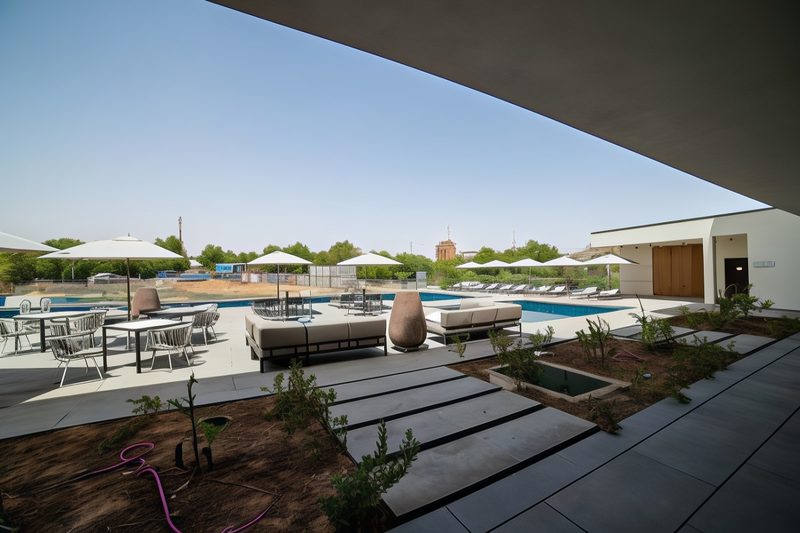
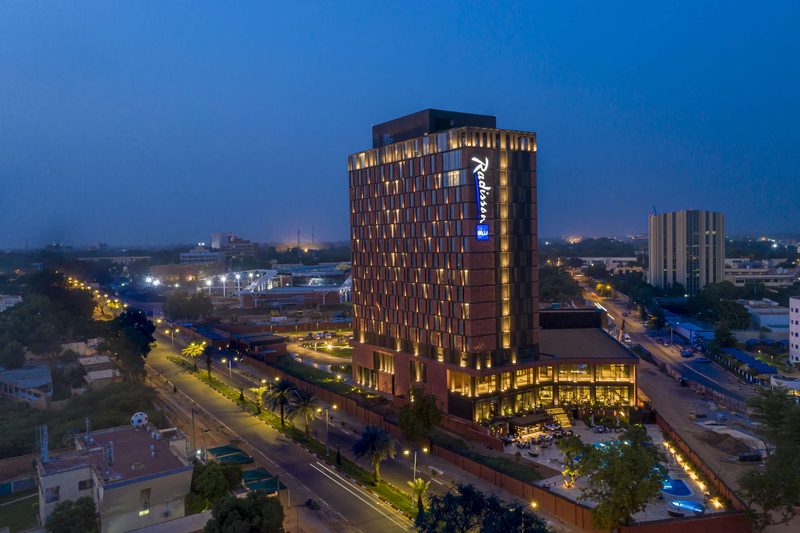
Where to Stay in Niger in July
Hand-picked hotels across price tiers for July travellers.
Packing Checklist
Bookmark this page — your progress is saved between visits
Need the full list with shopping links?
Climate-specific gear, brand recommendations, and what to leave at home.
View Niger Packing List →Essential Tips
Insider knowledge and common pitfalls to avoid
Insider Knowledge
The best food in Niamey is not in any restaurant. It is the street-side riz sauce served on metal plates by women cooking under corrugated shelters near the Petit Marché and along Route Nationale 1. Look for stalls with the longest queues of local office workers between noon and 1 PM. High turnover means the food is freshly made and safe. The rice is cooked until sticky, buried under a tomato-and-peanut stew with bone-in mutton or dried fish. The condiment tray (ground chili, raw onion, a squeeze of lime) makes it. A plate of riz sauce eaten standing at a zinc counter in 35°C heat, sweat rolling down your neck, is Niger's most honest meal.
Learn three phrases in Zarma before you arrive: 'Mate ni go' (how are you), 'Baani samay' (fine, thank you), and 'Fo fo' (hello). In Hausa-speaking areas, 'Sannu' (hello) and 'Nagode' (thank you) open doors. Nigeriens are warm but formal. Greeting properly in the local language (not French, not English) shifts you from tourist to guest. This is not a nicety. It changes the quality of every interaction you have.
Niamey's power grid is unreliable during storm season. Hotels with generators are essential. Confirm backup power before booking. A room without air conditioning in July humidity is functionally uninhabitable by midnight. The Gaweye and Bravia both run generators. Even these can lag for twenty minutes during a switchover. That twenty minutes at 78°F (25°C) and 68% humidity feels longer than it sounds.
If you want Tuareg silverwork, go to the artisan compound at the Musée National. This is where the real craftspeople work. The tourist shops near the hotels sell mass-produced pieces from Ouagadougou. Watch the silversmith make the piece before you buy. Negotiate in French. Ask which regional variation of the croix d'Agadez you are viewing. Each cross corresponds to a specific town or clan affiliation. Knowing this transforms the purchase from souvenir to cultural artifact.
Avoid These Mistakes
Do not ignore the security situation because it 'seems fine in Niamey.' The capital feels calmer than the advisories suggest. This lulls some travelers into planning overland trips to Agadez or the W National Park without proper arrangements. Outside Niamey, you need a military escort and a vetted local guide. The border regions (Tillabéri toward Mali, Diffa toward Nigeria) are active conflict zones. The gap between how Niamey feels on a Tuesday morning and what is happening 200 km (124 miles) away is vast. Travelers who confuse the two end up in situations that no insurance policy can resolve.
Do not underestimate the rain. Travelers who have been to tropical Asia or Central America think they understand monsoon rain. Niger's July storms are different. They arrive fast across flat terrain with no warning beyond a sudden drop in air pressure and a wall of dust (the haboob) that precedes the rain by ten to twenty minutes. Within thirty minutes, streets that were dry are under ankle-deep water. Drivers unfamiliar with drainage patterns stall their vehicles in low spots. Stay off the roads during active storms. Keep your documents in waterproof bags at all times. Never wade through standing floodwater. The current is stronger than it looks. The water carries sewage.
Do not attempt to travel during Ramadan without preparation. While Ramadan does not fall in July 2027, other Islamic observances may affect operating hours, restaurant availability, and the general pace of daily life. Niger is overwhelmingly Muslim. Religious calendars dictate commercial hours in a way that secular planning tools do not capture. Confirm opening hours directly with venues rather than relying on posted schedules. Be prepared for extended midday closures that have nothing to do with the heat.
Ready to plan your trip to Niger?
Now that you've got the research covered, here's where to go next.
Explore More Activities in Niger
Didn't see anything interesting yet?
Browse Viator's full catalog of tours, day trips, food experiences, and private guides in Niger.
See All Niger Tours on Viator